Covid-19 vaccines and pregnancy
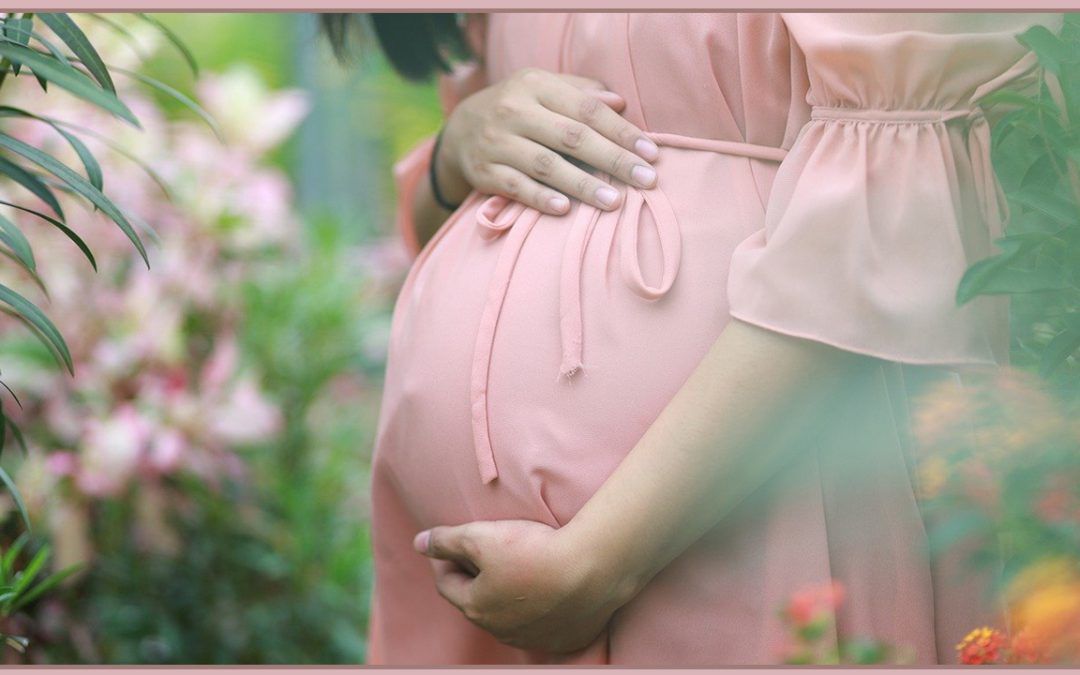
If you are pregnant, breastfeeding or want to become pregnant and are wondering if covid-19 vaccines are safe for you.
Read on to learn about the latest recommendations from international health organizations for women who are pregnant, want to become pregnant or are breastfeeding.
- Pregnancy.
The immune system reacts differently during pregnancy so, in order to protect the baby, pregnant women do not routinely receive live attenuated virus vaccines. Other vaccines, such as pertussis and influenza, are considered safe.
Some of the vaccines, which are being used in countries such as Belgium, do not contain live attenuated virus. These have been tested on pregnant rats, before and during gestation, without detecting any safety problems for the rats and their offspring.
However, although experts, based on how these vaccines work in the body, believe that some level of risk to pregnant women is unlikely, current data are not sufficient to guarantee that these vaccines are safe for all pregnant women. Clinical trials to determine the safety of vaccines in pregnant women are still being conducted and reviewed.
The Coronavac vaccine from Sinovac Laboratories has among its contraindications, pregnancy and lactation. This is until information is available from clinical studies in these groups.
On the other hand, it is now known that pregnancy is an elevated risk factor. Pregnant women can contract a severe form of the virus. May develop illnesses that require hospitalization, intensive care, use of respiratory machines and there is also a high risk of premature delivery and fatal illnesses.
What should we understand then?
While vaccination is a personal choice and not a requirement in some countries, it is best to consult with your physician and take into account the following considerations:
- If you are frequently exposed to the virus, for example, you are a doctor, nurse, teacher... If you have an underlying condition, such as heart disease and diabetes.
- The risk of contracting the virus, both for you and for the fetus or baby. • El riesgo que representa contraer el virus, tanto para ti como para el feto o bebe.
- The facts about covid-19 vaccines: how they work, the benefits to you and your baby, side effects, and the growing body of research on their safety for pregnant women.
- The type of vaccine administered in your country of residence and its contraindications.
- Breastfeeding.
Although there are no data available on the safety of vaccines in lactating women, based on how these vaccines work in the body, experts understand that there is no risk to lactating women or the baby. So, according to them, they can be vaccinated. However, some agencies consider that it is necessary to wait for more data on the behavior of vaccines in this case.
- People who want to become pregnant.
So far, no evidence of risks affecting fertility has been presented for any vaccine, including covid-19 vaccines. Therefore, there is no downside if you are trying to get pregnant.
Conclusion
Pregnant women who are in constant contact with the virus (doctors, nurses, teachers...) or who suffer from lung disease, heart disease, diabetes, obesity (Body Mass Index e>30), should consider vaccination.
Women in breastfeeding period, as well as pregnant women, should follow the recommendations given by their country's authorities.
Those who wish to become pregnant can be vaccinated, as there is no evidence to show that there are any risks in this case.
The relevant agencies are constantly researching the performance of covid-19 vaccines and you can always find updated information in their respective media.
Sources:
- Gezondheid en Wetenscchap (Salud y ciencia)
www.gezondheidenwetenschap.be - Centros para el Control y la Prevención de Enfermedades.(CDC siglas en ingles).
www.cdc.gov/spanish/ - https://www.minsal.cl/wp-content/uploads/2021/05/MUJERES-EMBARAZADAS-8.pdf